
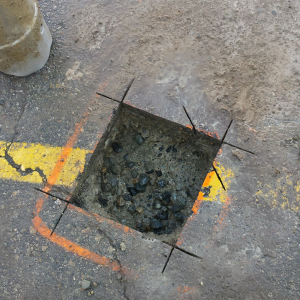
 When people think about engineering, they often picture what they can see. Roads, buildings, parking structures, and utilities tend to get the spotlight. Yet some of the most important engineering work happens before any construction begins and well below the surface. Subsurface investigations play a critical role in the success, safety, and longevity of nearly every project.
Understanding what lies beneath a site helps engineers make informed decisions early. This planning stage often prevents costly surprises later and creates a strong foundation for everything that follows.
What Subsurface Investigations Involve
Subsurface investigations focus on understanding soil conditions, groundwater levels, rock formations, and existing underground features. Engineers gather this information through methods such as soil borings, test pits, and field observations.
These investigations reveal how the ground will behave when it supports structures, roads, or utilities. Soil strength, compaction, and moisture content all affect how a project should be designed. Without this data, even a well designed structure above ground can experience long term issues.
Why Early Investigation Saves Time and Money
One of the most common challenges in construction comes from unexpected site conditions. Poor soils, shallow groundwater, or undocumented utilities can slow projects and increase costs. Subsurface investigations reduce these risks by identifying potential issues early.
When engineers understand site conditions upfront, they can recommend appropriate foundations, drainage strategies, and construction techniques. This planning helps avoid redesigns during construction and keeps projects moving forward on schedule.
Reducing Risk for Property Owners and Developers
For property owners and developers, subsurface investigations provide clarity and confidence. Knowing the condition of the land helps inform decisions about project feasibility, scope, and budget.
These investigations also support long term performance. Structures built on properly evaluated soils experience fewer settlement issues, cracks, or drainage problems over time. This protection extends the life of the project and reduces future maintenance needs.
Supporting Infrastructure and Public Safety
Subsurface investigations are especially important for public infrastructure projects. Roads, bridges, and utility systems must perform reliably for decades while supporting daily use.
Engineers use subsurface data to design pavements that resist cracking, slopes that remain stable, and drainage systems that manage water effectively. These decisions directly impact public safety and long term infrastructure resilience.
Adapting Designs to Site Conditions
No two sites are the same. Soil composition can vary dramatically within short distances. Subsurface investigations allow engineers to tailor designs to the specific conditions of each location.
This flexibility leads to smarter engineering solutions. Foundations can be sized correctly. Retaining walls can be designed with confidence. Stormwater systems can be aligned with natural soil permeability. Each adjustment improves performance and efficiency.
A Collaborative Process from Start to Finish
Subsurface investigations often bring together engineers, geotechnical professionals, surveyors, and contractors early in the process. This collaboration encourages clear communication and informed decision making.
By working as a team from the start, potential challenges are addressed before construction begins. This approach creates smoother projects and stronger outcomes for everyone involved.
Building Strong Projects from the Ground Up
Engineering success starts below the surface. Subsurface investigations provide the knowledge needed to design safe, durable, and cost effective projects. They reduce uncertainty and support smarter planning at every stage.
At McNeil Engineering, careful attention to site conditions helps ensure each project is built on a solid foundation. By understanding what lies beneath, engineers can deliver solutions that perform reliably today and well into the future.
